There’s nothing quite like the feeling of standing in the middle of the fairway, making a pure strike with your irons, hearing that crisp contact, and seeing the ball land softly on the green with just a hint of turf lifted after impact. But if you’re someone who never seems to take a divot, or you’re unsure whether your divots are helping or hindering your game, it’s time to give your ground contact some proper attention.
Why Taking a Divot Matters
When hitting irons from the turf, striking ball then ground is key. The club head travels in a circular arc around the body. It ascends on the backswing, comes back down, reaches its lowest point, and then rises again. For solid contact, the lowest point of your swing (your low point) should be after the golf ball, not before or at the ball. This ensures you’re compressing the ball and not hitting it thin or fat.
If you’re not making any contact with the ground, it’s hard to know if your low point is in the right place. I always advise golfers to set up as normal, then just inside the ball, make a swing and focus on brushing the turf. Many will initially strike behind the ball, so the next step is to shift more onto your lead side during the downswing. This helps move the low point forward, creating that desirable ball-then-turf strike.
Understanding Divot Depth
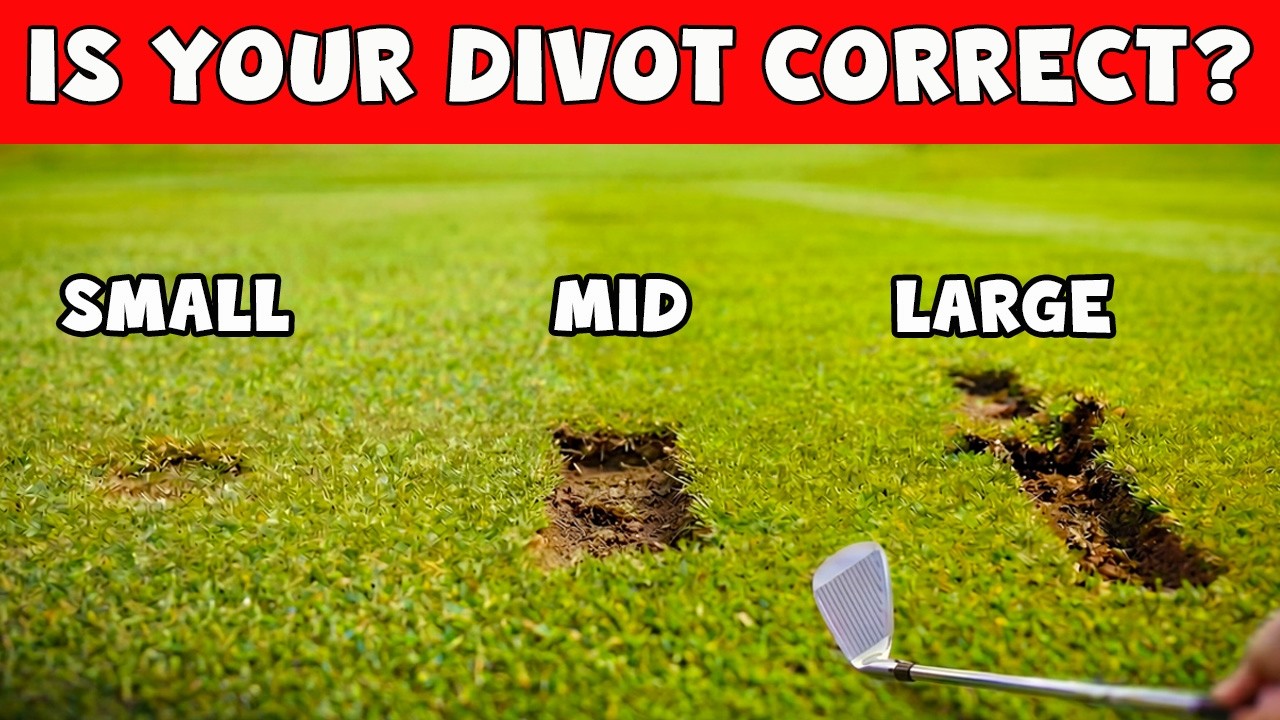
Once you’re taking divots, it’s important to learn from them. Some golfers take deep divots, others (like me) create a shallower mark. The depth and position of your divot offer feedback about your swing.
- Deep Divots: If you’re digging deep, your low point is too far forward and too low. You’ll tend to hit the ball lower and may struggle with consistency. To fix this, focus on shifting into your lead side, but also make sure your low point isn’t excessively far ahead of the ball.
- Shallow Divots: With shallower divots, your low point is closer to the ball, perhaps just an inch or two after impact. This leads to higher ball flights and cleaner strikes. If the divot is too shallow, you might thin or even top the ball, so ensure you’re still shifting weight and getting the club low enough at impact.
Check the middle of your divot. For me, it’s usually about two to three inches after the ball. That’s ideal. Try to match your divot depth and location to your swing style, not someone else’s.
Fixing No-Divot Strikes
If you simply can’t take a divot, don’t worry. The classic advice is often to keep your head down, but this can actually make things worse by forcing you into a shorter, more restrictive swing. Instead, as you reach the top of your backswing, focus on moving down and towards the target, almost as if you’re letting yourself fall gently forward. This movement helps you get the bottom of your swing arc lower and ahead of the ball, making it far easier to get that satisfying turf contact.
A simple drill is to address the ball, then without hitting it, make a swing aiming to brush the grass just after where the ball would be. If you’re struggling, exaggerate the move towards your lead side and downwards. Over time, you’ll find the right balance for your own swing.
Matching Divot to Swing and Equipment
Remember, the ideal divot for you depends on your natural swing and your clubs. Deeper divots might suit certain swings and lower ball flights, while shallower divots can help with height and control. If you’re unsure about whether your divot matches your technique or want some personalised help, I offer online lessons through Skillest where we can analyse your swing and work on your turf interaction together.
Consistency is Key
With every iron shot from the ground, aim for a low point just after the ball—ball first, then ground. That’s the foundation of great iron play and will help you hit more greens with confidence.
Ready to see these concepts in action? Watch the full YouTube video here for demonstrations and more tips on how to take the perfect divot.