The Secret to Striking Pure Golf Shots
If I was starting golf again, or even if I was just struggling with poor ball striking, there’s one drill I would work on more than any other. This simple yet highly effective exercise is the key to striking the ball solidly, hitting it accurately, and unlocking great distance. Whether you’re a beginner or a seasoned player, there’s nothing quite like the feel of a perfectly struck shot—where the ball rockets off the face, soars towards the target, and lands with purpose.
Why Most Golfers Struggle with Ball Striking
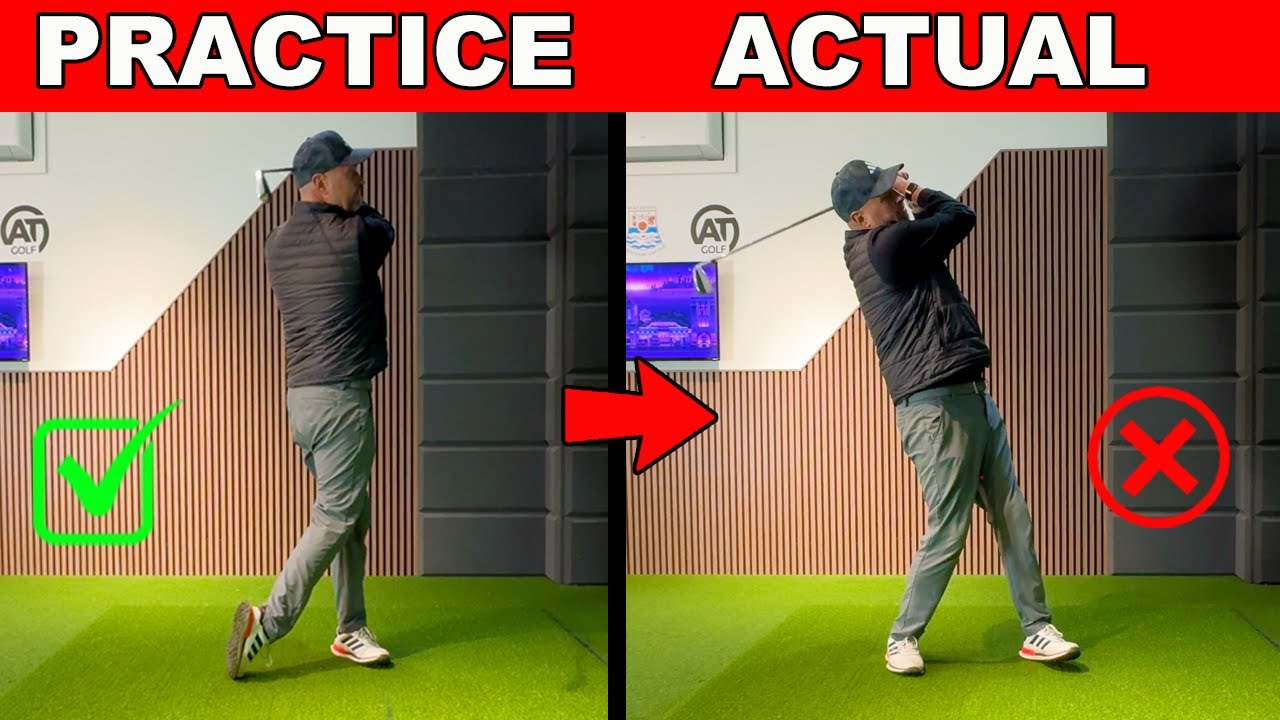
Too often, I see golfers hitting fat shots—where the club hits the ground before the ball—or well-struck shots that veer wildly off line. Both rob you of distance and consistency, and both come down to two main fundamentals: where your club bottoms out and how you control the club face through impact.
Two Fundamentals for Consistent Ball Striking
-
Ball Then Turf Contact
The bottom of your swing should always be just after the ball, on the target side. This ensures you get that crisp “ball then turf” strike that feels so good and launches the ball with power. If your low point is behind the ball, you’ll fat it. If it's too far ahead, you risk thinning the shot. Learning to control this low point is essential.
-
Closing the Club Face Through Impact
As you work on shifting your low point forwards, you’ll naturally create more shaft lean at impact. The challenge is that more forward shaft lean can leave the club face open, sending shots out to the right. To combat this, you need to develop the ability to close the club face through impact to keep your shots straight and powerful.
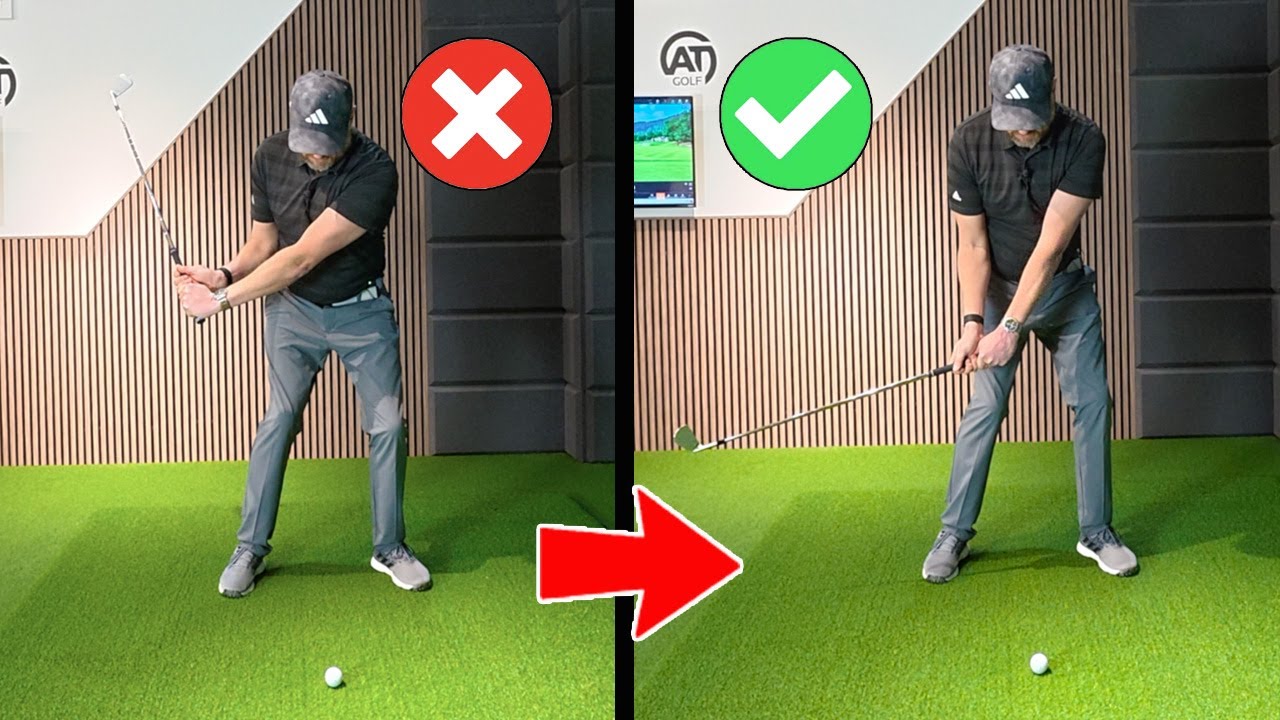
The Drill: Short Swing, Down and Towards the Target
Here’s how I like to coach this drill:
- Take a shorter backswing than usual, only to about waist or chest high.
- As you start down, focus on shifting your weight down and towards the target—before you let your upper body turn out of the way.
- The goal is to create that low point after the ball, so you strike ball then turf.
Many golfers make the mistake of turning the upper and lower body too quickly from the top, which throws the club out and forces you to back away to find the strike. Instead, make that initial move down and forwards.
Once you’re comfortable with the shift, add the feeling of rotating the club face through impact. Let your wrists unhinge and uncock earlier than you might think. Avoid trying to “hold the angle” in your wrists too long, as this keeps the club face open.
What to Look For
If you’re doing this right, you’ll notice the following:
- The low point of your swing is after the ball, creating ball-first contact.
- The club is travelling down into the ball.
- The club face is closing through impact, helping the ball start left or even draw.
A great sign you’re nailing the drill is seeing the ball go left of target with this shorter swing. That shows you’re releasing and closing the face, which is exactly what’s needed to counteract the shaft lean.
Why This Drill Works
Solid contact out of the middle of the club transfers energy efficiently, giving you more distance. More forward shaft lean delofts the club, helping you compress the ball and maximise power. Most importantly, if you consistently control your low point, your strike, shot shape, and distance will all improve.
As you lengthen your swing, keep the same fundamentals: shift down and towards the target, then release the club face. This will help your full swings become more powerful and accurate. If you can master this drill, you’re on your way to the best ball striking of your life.
Online Lessons for Personalised Feedback
If you’re struggling to implement this on your own, or want tailored feedback, I offer online lessons through Skillest. A few personalised sessions can make a huge difference to your ball striking and overall confidence on the course.
Watch the Full YouTube Video
For a full demonstration and more detailed explanation, watch the complete video here: https://www.youtube.com/watch?v=HA0nMxdYOzY