Why Fairway Woods and Hybrids Matter More Than You Think
A lot of golfers tell me that wedges are their scoring clubs, but I believe fairway woods and hybrids are just as crucial for most players. If you can stand up to a fairway wood or hybrid, put a good swing on it, and strike the ball solidly, you’ll move the ball a long way down the fairway and set up better scoring chances. Yet, so many golfers are plagued by poor, inconsistent contact with these clubs. It kills enjoyment and shatters confidence.
The Key Skill: Controlling Your Swing’s Lowest Point
If you want to start striking the ball well from the ground, there’s one main skill to focus on: controlling where the lowest point of your golf swing lands. Ideally, you want the club to collect the ball first, then brush the ground just after. Most golfers who struggle with fairway woods and hybrids either hit the ground too early, miss it altogether, or find their low point changes from swing to swing. This makes solid contact feel almost impossible.

Ball Position and Setup for Success
A common mistake is playing the ball too far forward in your stance, which can tempt you to try and get under the ball to lift it in the air. This often leads to a whole host of problems: opening the clubface, slicing, topping, or fatting shots. Instead, position the ball just forward of centre. This gives you the best chance to catch the ball cleanly as the swing bottoms out.
The Right Backswing Movement
On your backswing, avoid swaying off the ball. If you move too far away from the target, you’ll need to shift back a long way in a split second, making it much harder to control your low point. Instead, as the club moves away, focus on turning your trail hip (right hip for right-handed golfers) behind you rather than away from the target. This keeps your body in a great position to move towards the target on the downswing.
Shifting Forward and Striking After the Ball
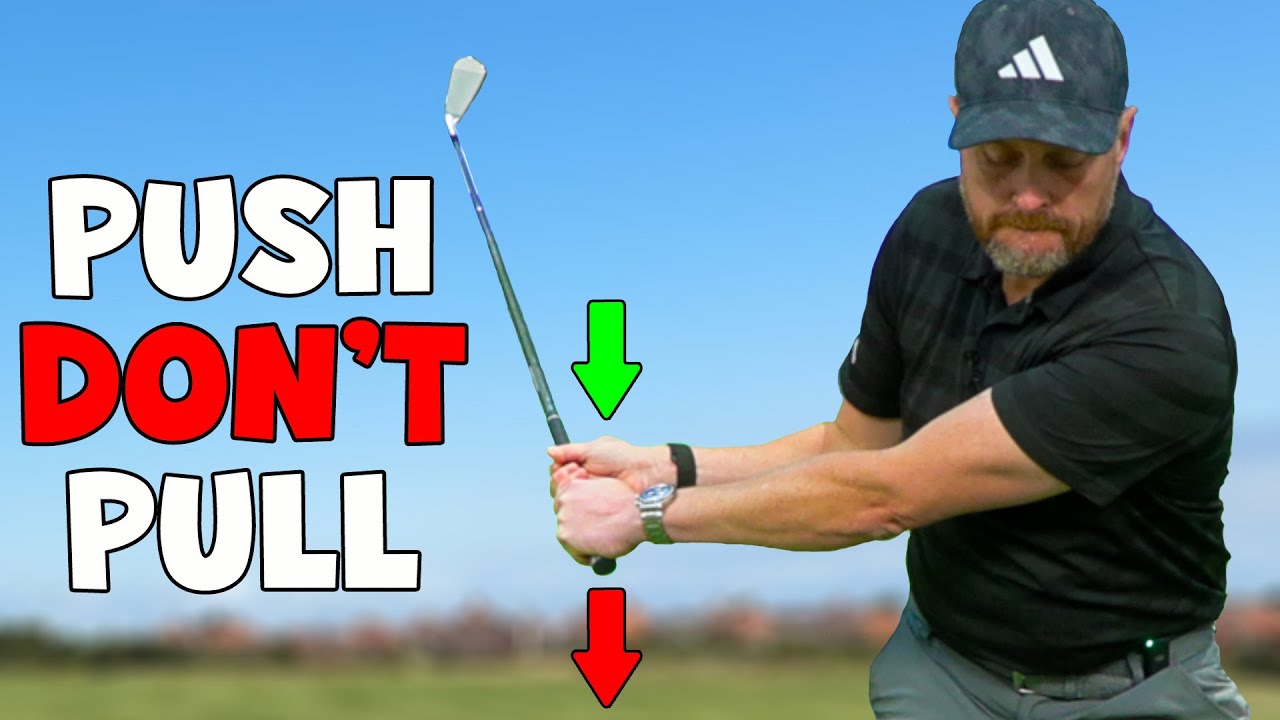
As you start your downswing, feel your hips moving towards the target. This helps you land the club after the ball, ensuring a cleaner strike. Practise this movement with a few rehearsal swings: right hip turns behind you, shift to the target, and land the club on the ground after where the ball would be. Don’t worry about making a full swing at first. The key is to land the club in a consistent spot.
Why Effortless Swings Go Further
It often surprises golfers how much distance they get with what feels like little effort. The length of a fairway wood shaft helps generate speed, and striking from the middle of the clubface maximises energy transfer. Remember, the face of a fairway wood is curved. If you try to add loft and hit high on the face, you might actually strike it low on the face where there’s less loft, resulting in low, weak shots. By controlling your low point and moving your hips forward, you’ll deliver the club with the right loft and get the energy into the ball.
Fine-Tuning Ball Position for Your Swing
Once you’re landing the club consistently after the ball, you can experiment with moving the ball position slightly forward if you find your low point is too far ahead. Just remember, if you can’t control your low point, changing ball position becomes another variable to juggle. Focus on consistency first, then fine-tune.
Building Confidence and Enjoyment
Most golfers can live with a little left or right movement if they’re striking their fairway woods 200 yards. The real frustration comes from topping one five yards, then fatting the next. Solid, consistent contact is what builds confidence to pull out a fairway wood or hybrid when it matters.
If you’re ready to get more from your fairway woods and hybrids, commit to practising the right hip turn, shifting forward, and landing the club after the ball. Take some speed out if you need to, focusing on movement quality first. When you start hitting it better, you’ll find yourself enjoying these clubs more and shaving shots from your scorecard. If you’d like personalised help, you can always book an online lesson with me through Skillest.
Watch the Full YouTube Video
For a detailed walk-through and demonstrations, watch the full session here: https://www.youtube.com/watch?v=8sQzrso8uKQ