Why Low Point Control Changes Everything
If I were starting golf all over again, the very first thing I'd learn is how to control my low point. The difference between hitting the ball first, then the ground, and those frustrating fat or thin shots all comes down to this fundamental. Even experienced golfers can struggle with low point control, leading to weak strikes and shots that never feel quite right. Meanwhile, the best players in the world make this look effortless — and that’s no accident.
What Is Low Point Control?
Low point control is the ability to have the bottom of your swing arc happen after the ball, not before it. This means you strike the ball first, then the turf, delivering a clean, powerful and consistent shot. When you get this right, you not only improve your strike but also gain control over your clubface and swing path. Your shots become more predictable, and your confidence soars.
The Secret: Body Movement, Not Just Hands
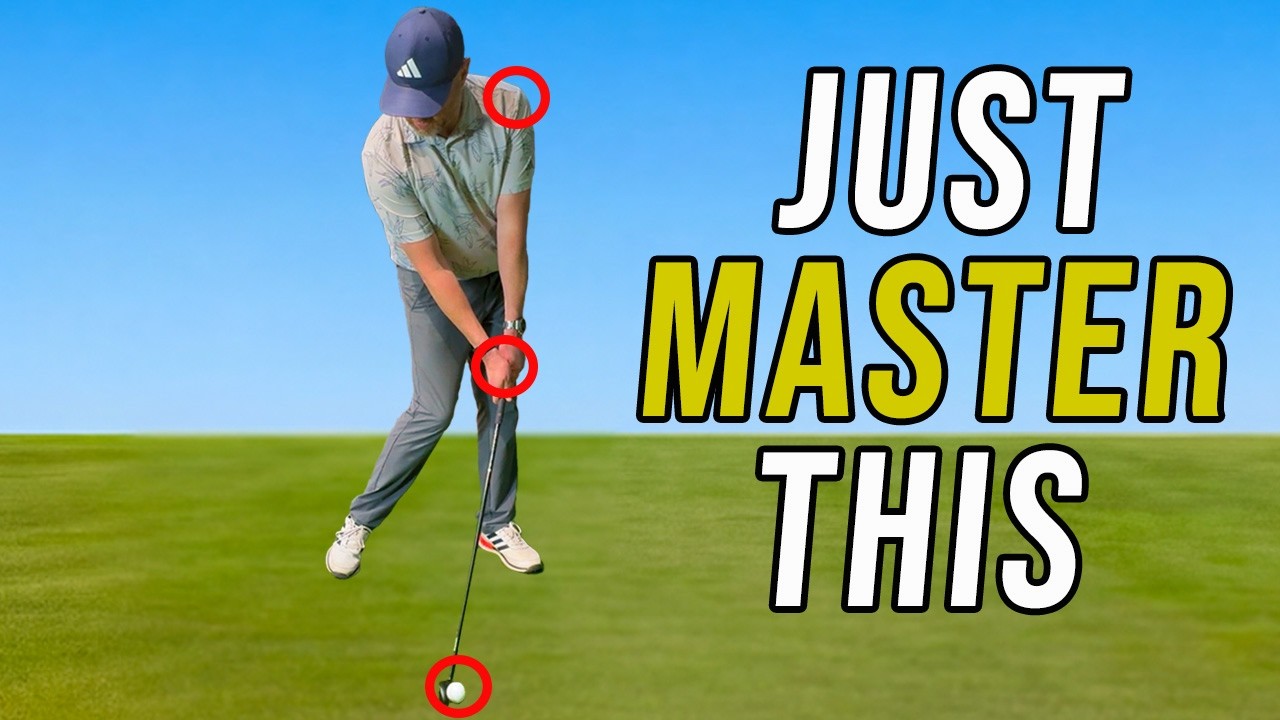
A common misconception is that you need to try and hit down on the ball or keep your hands forward at impact. In reality, great low point control happens because your whole body moves correctly through the shot. At address, your weight might feel 50/50, but many golfers are already sitting back, subconsciously trying to help the ball into the air. This leads to hitting the ground first and poor strikes.
Instead, focus on moving a little more weight into your lead side at address. As you begin your downswing, let your hips move towards the target before they begin to turn. This shift re-centres your swing, ensuring your low point is ahead of the ball. The lead leg straightens, your torso moves towards the target, and you achieve forward shaft lean naturally, not by forcing your hands forward.
The Simple Drill for Better Striking
Here’s a great way to start mastering low point control:
- Take your normal setup but feel a bit more weight on your lead side.
- Make your backswing.
- As you start down, let your hips move towards the target before turning.
- Focus on landing the club on the ground after the ball.
- Start with slower, controlled swings to get the feel, then gradually add speed.
You’ll notice even with less speed, you’ll get a penetrating launch and good distance, simply because you’re striking the ball first and delofting the club at impact.
Don’t Fear the Ground — Learn to Extend
Some golfers, once they start shifting towards the target, worry about hitting the ground too hard and end up pulling up or chicken-winging through impact. To fix this, think about your left hip moving up and your chest looking up to the sky as you go through the shot. Feel tall and extended on your follow-through. This keeps you from burying the club and ensures a clean, crisp strike.
It’s not about staying down on the shot. If you stay too low, even with good low point control, you risk catching the ground before the ball. So, extend upwards, finish tall, and let everything stretch out through impact.
Ball Position and Different Clubs
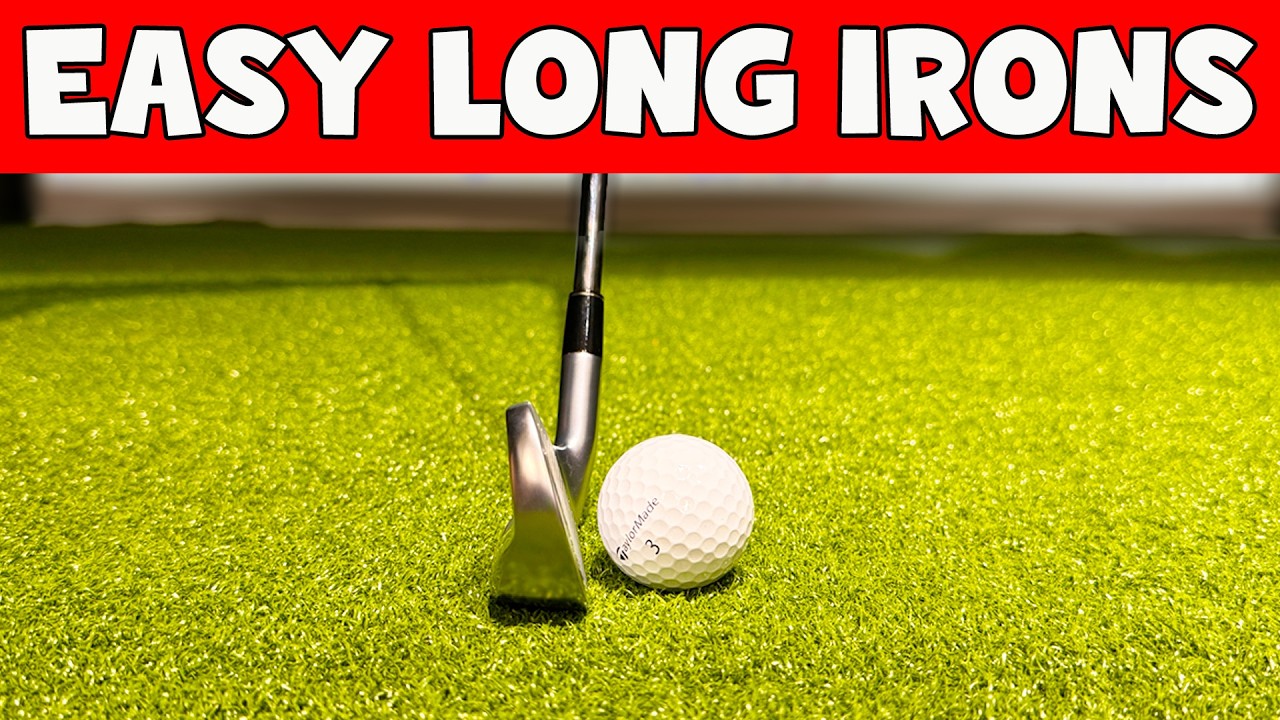
As you move to longer, less lofted clubs, you don’t need as much shaft lean. You can move the ball slightly forward in your stance, still focusing on that good body movement. The key is to keep your low point ahead of the ball, adjusting ball position as necessary. Even with a 2-iron, this approach produces powerful, low-flying rockets off the face.
The Takeaway: Make Golf Simpler and More Fun
If you really want to become a better ball striker, put your focus on low point control. Learn to move your body correctly, strike ball then ground, and extend through impact. It’s the number one skill that separates great ball strikers from the rest. Once you get it, golf feels easier, more enjoyable and your scores will thank you for it.
If you’d like personalised help with your swing or want to dive deeper into these concepts, I offer online lessons on Skillest. Working together, we can break down your movement and get you striking it better than ever.
Watch the Full Lesson
For a full walkthrough with demonstrations, check out the YouTube video here.