The Love-Hate Relationship with the Three-Wood
If you’re anything like most golfers I coach, you might have a love-hate relationship with your three-wood. It’s the club you wish you could trust, but from the ground you find yourself topping, thinning, or slicing it all too often. Yet, when struck well, it’s a game-changer for getting down the hole quicker—especially for those of us who don’t hit it a mile off the tee.
Why Three-Wood Is So Challenging
The three-wood is the least lofted, longest-shafted club you’ll typically hit from the turf. Many golfers do fine off a tee, but struggle off the ground, and it’s easy to see why. If your ball is too far forward and your swing is too shallow, you’ll often contact the ground behind the ball (resulting in a fat shot), miss the ground (leading to a thin or topped shot), or leave the clubface open trying to help the ball into the air.

The Set-Up Mistake Most Golfers Make
A common issue is placing the ball well forward in the stance, then trying to simply sweep the ball away. This leads to inconsistent contact, poor strikes, and that dreaded inability to get the ball airborne. Remember, the loft on your three-wood is actually centred in the middle of the face. To get the best out of the club, you need to deliver the strike more like you would with an iron.
Treat Your Three-Wood Like an Iron
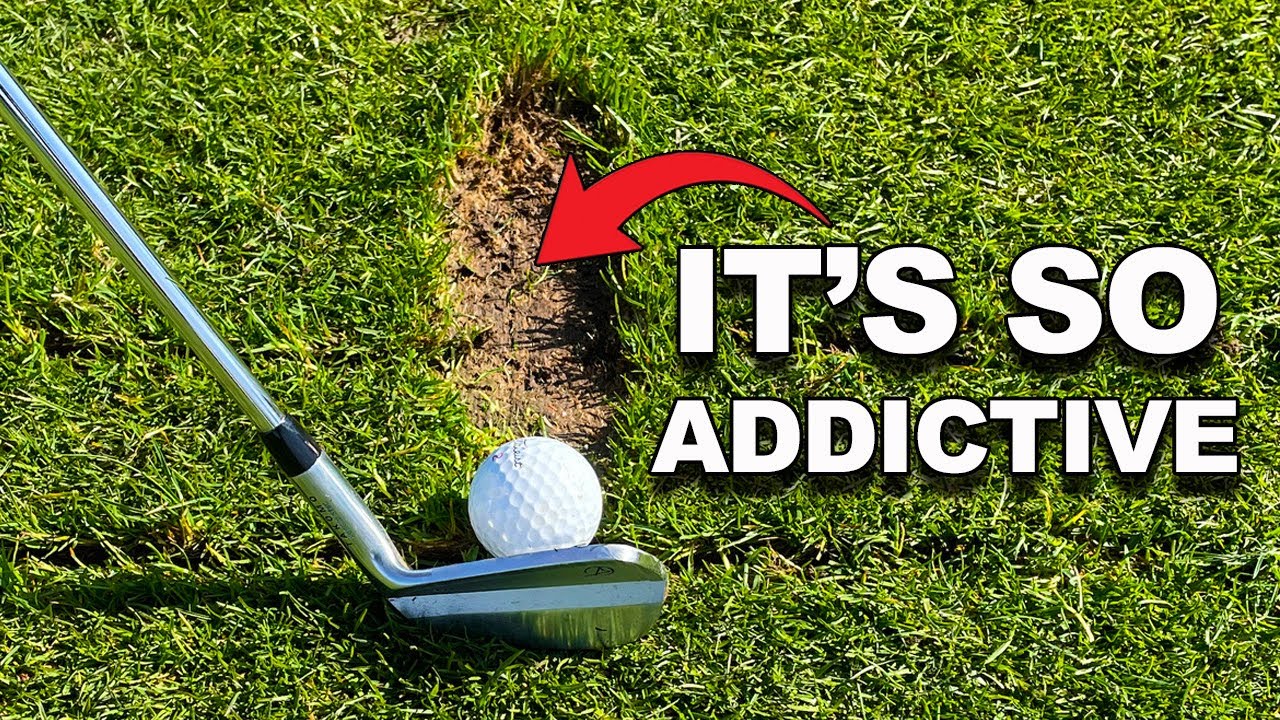
Start by moving the ball to the middle of your stance. Make some practice swings and notice where the club brushes the turf. If you’re hitting behind the ball, check your lead shoulder position. When your lead shoulder is in line with or behind the ball, you’re likely to hit the ground early. By getting your lead shoulder ahead of the ball at impact, you’ll naturally strike the ball first, then the ground, producing that solid, penetrating flight we all want.
Find Your Ideal Ball Position
Not everyone benefits from a ball position exactly in the middle. Personally, I like to play it just a couple of inches forward of centre, always making sure it’s never further back than my sternum and never further forward than my armpit. This is relative to your body, not just your feet. Experiment to find what works for you, but always prioritise getting your lead shoulder ahead of the ball in the downswing.
Key Swing Thought: Lead Shoulder Ahead
The main swing thought should be to get your lead shoulder target-side of the ball as early as possible in the downswing. This encourages a descending strike, ensuring you hit ball then ground. Don’t overdo it—you want a shallow angle of attack, not a steep chop, or you’ll take off all the loft and send the ball rocketing low.
What If You Have Slower Clubhead Speed?
If you swing slower, even with a great strike, the three-wood might not have enough loft to give you your best shots. It’s not uncommon for some golfers to hit their five-wood or even seven-wood further than their three-wood because they can get those clubs airborne more easily. Don’t be afraid to test for yourself. Make your best swing and see which club gives you the best result. Your goal is a solid strike and consistent distance, not just using the club with the smallest number.
Make Three-Wood from the Ground Your Friend
To sum up: treat your three-wood like an iron, experiment with ball position (relative to your body), and focus on getting that lead shoulder ahead of the ball in the downswing. If you get these fundamentals right, you’ll start to see much better results with your three-wood from the turf.
Want more personalised help? I offer online lessons through Skillest, where we can work together on your fairway wood game and more.
Watch the Full YouTube Video
For a full breakdown and demonstrations, watch the YouTube video here: https://www.youtube.com/watch?v=oQAYyWLIqKk