Why Long Irons Cause So Much Trouble
If you are like most golfers, you probably find long irons challenging to hit consistently well. Even with the right setup—ball just forward of centre and a solid swing—getting that crisp, powerful strike and the distances you expect can be elusive. Many golfers subconsciously try to help the ball into the air, which leads to thinned shots, low launches, and a lack of carry. The reality is, without a reliable ball-first strike, those long irons will never perform as they should.
The Key: Controlling Low Point and Loft Delivery
After years of coaching and studying the world's best, it is clear that top players like Tommy Fleetwood are absolute masters at controlling their low point—the spot where the club strikes the ground. They also deliver less loft at impact than the club's static loft, compressing the ball and launching it with power. Most amateurs, however, tend to deliver the same or even more loft than at address, losing out on both distance and control.
The Fleetwood Drill: Shorter, Wider, and More Powerful
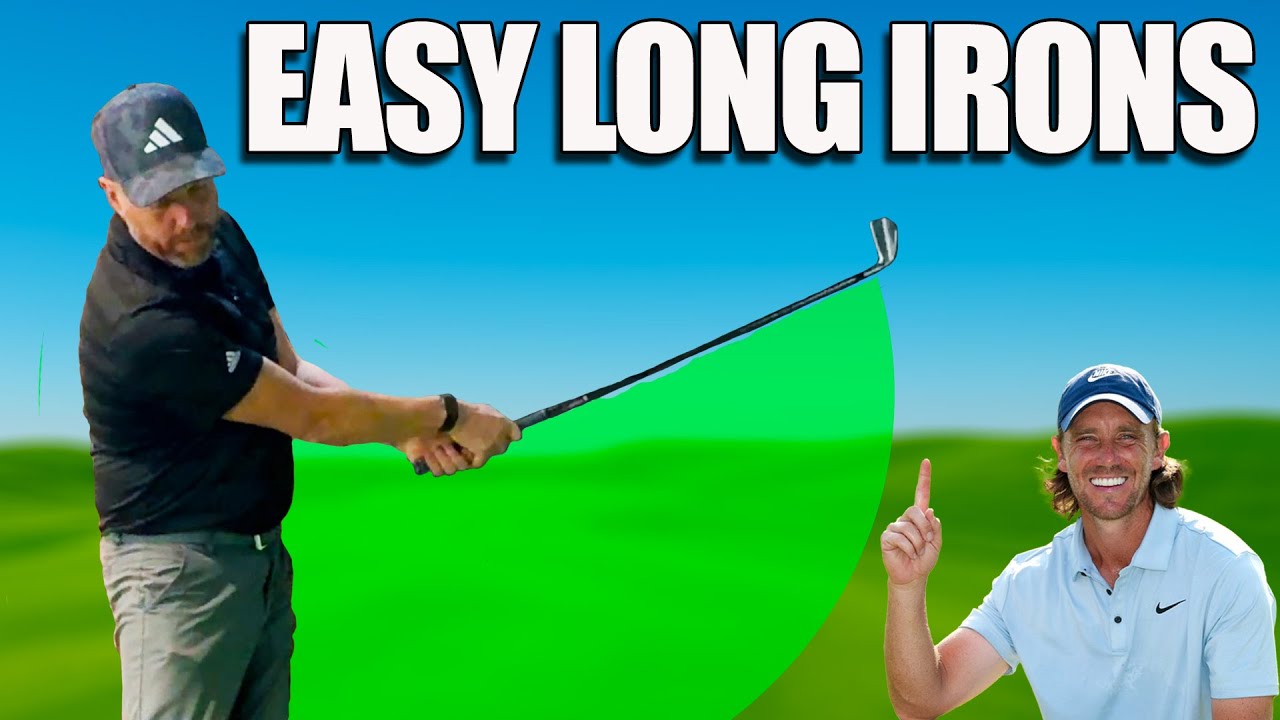
One of the best drills you can use to transform your ball striking is inspired by Tommy Fleetwood. Start with a seven iron for ease, then progress to your longer irons. The idea is simple:
- Make a backswing to about three quarters
- Shift your body towards the target as you transition
- Finish short and low through the shot
This drill promotes a powerful downward strike, encourages a forward low point (after the ball), and helps you get comfortable with compressing the ball. You'll notice that the club touches the ground after the golf ball and digs slightly deeper, which is exactly what you want for a solid strike.
Practical Steps to Try It Yourself
- Set up with the ball just forward of centre.
- Take a half to three-quarter backswing, keeping your hands wide and away from your body.
- Shift your weight towards the target as you swing down.
- Be aggressive through the ball, but keep your follow-through short and controlled.
Try a few swings with your seven iron and focus on striking the ball first, then the turf. Once you are comfortable and seeing better contact, progress to your longest iron. You may need to move the ball slightly further forward and adjust the amount of downward strike, but the same principles apply.
What to Expect—and When to Rethink Your Longest Iron
As you practise this drill, you might find your longest iron suddenly feels more playable, with a crisp, low-spinning flight and more carry than usual. However, you may also discover that even with great technique, your longest iron still does not perform as well as you want. That is a sign it might be time to swap it for a more forgiving option like a higher lofted fairway wood—just as Tommy Fleetwood has done.
Ultimately, the goal is to strike the ball consistently well. When you can do your part, you will know if your equipment is helping or holding you back.
Take Your Iron Play to the Next Level
If you are ready to overhaul your iron striking, I am here to help. I offer personalised online lessons through Skillest where we can break down your swing and build a plan to maximise your performance with every club in the bag.
Watch the Full Drill in Action
For a closer look at this Fleetwood-inspired drill and more detailed insights, watch the full YouTube video here: https://www.youtube.com/watch?v=Z5KiNVMwn3A