Why Your 3-Wood Isn’t Living Up to Expectations
If you’re like most golfers, the 3-wood can feel like a double-edged sword. We all dream of that perfect strike from the fairway, getting on the green in two on a par five, or splitting the fairway on a tough hole. Yet, far too often, the reality is a topped, fattened, or thinned shot that leaves you wondering if the club is more trouble than it’s worth.
Here’s the good news: a few tweaks to your setup, and a shift in your approach, can transform your 3-wood into one of your most reliable and rewarding clubs.
Rethinking Scoring Clubs: Why Fairway Woods Matter
We often hear that wedges are the true scoring clubs. While there’s truth in that, for many golfers—especially those who don’t hit the ball miles—it’s the fairway woods and hybrids that give you a shot at greens in regulation. These clubs are called on for approach shots time and time again, making them crucial to lower scores.
The Most Common 3-Wood Mistake
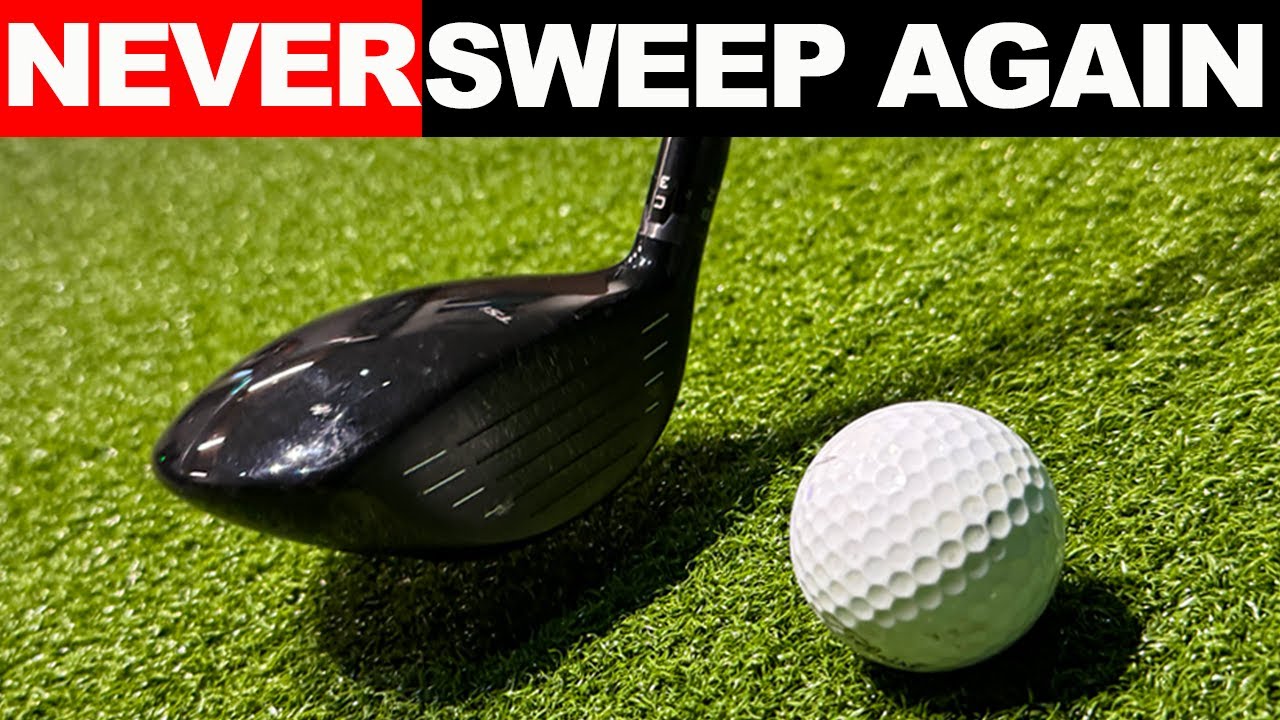
One of the worst habits I see with the 3-wood is the obsession with “sweeping” the ball away. The idea is that, because the club has less loft and a longer shaft, you should just brush the grass and let the club do the work. The problem is that this often leads to the club touching the ground behind the ball, meaning the lowest point of your swing is before impact. By the time the club reaches the ball, it’s already travelling upwards, which results in thins, tops, or sometimes missing the ball entirely.
The Setup Change That Makes All the Difference
To get the most out of your 3-wood, you need to adjust your setup:
- Ball Position: Don’t play the ball too far forward. Instead, position it about one club head forward of centre—still inside your lead heel.
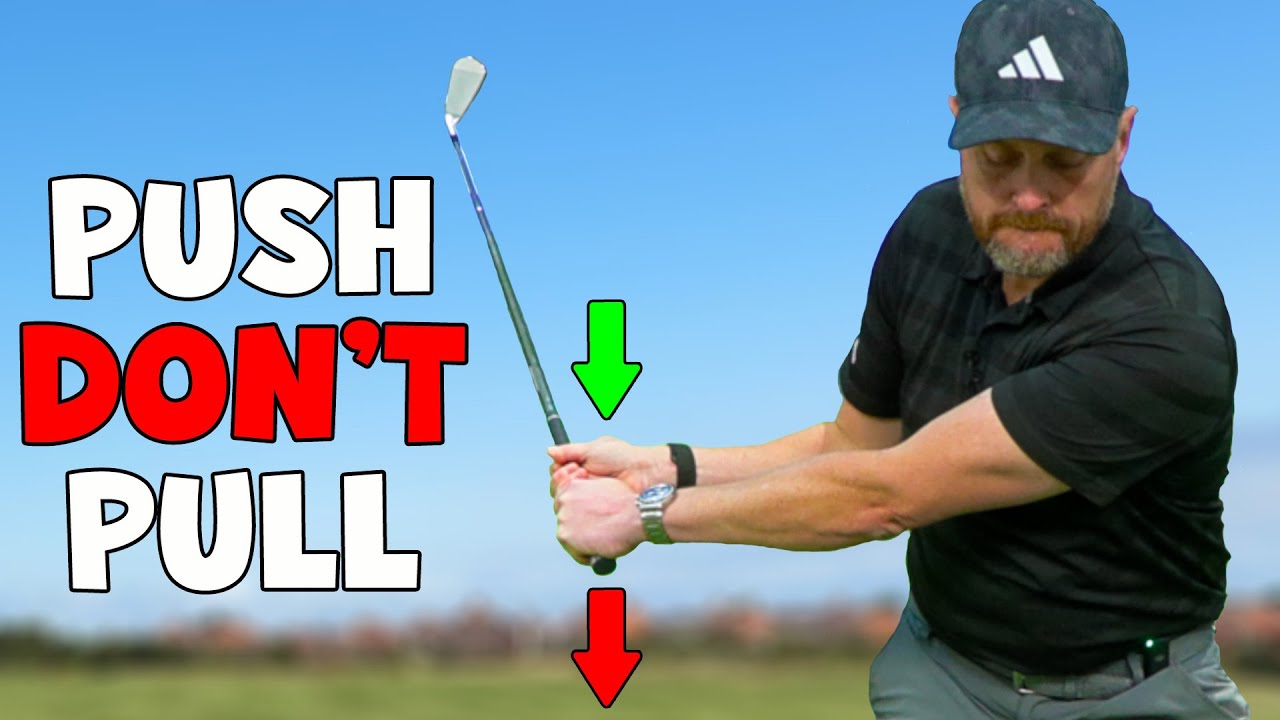
- Hip Bump: At address, move your hips slightly towards the target. This creates a little shaft lean and encourages a downward strike.
- Weight Shift: Whether you stay more centred or shift slightly off the ball during your backswing, the key is to start moving towards the target by the time the club reaches waist height. This helps you get into your lead side and ensures the club is still travelling down at impact.
Treat It Like an Iron, Not a Driver
The concept is simple: when the ball is on the ground, swing your fairway woods like you would an iron. That means you want the club to bottom out just after the ball, with a descending blow. You’re not looking to take a big divot, but you do want to clip the turf after the ball. This guarantees solid contact and maximises distance.
If you find you’re still catching the ground too far behind, check that your weight isn’t hanging back and your ball position isn’t too far forward. If you’re struggling to generate speed, you might experiment with moving the ball slightly forward, but never so much that you lose that downward strike.
Why It Works on the Tee—But Not the Fairway
Many golfers can hit their 3-wood beautifully from a tee or a fluffy lie, but fall apart from the fairway. That’s because with the ball teed up, you can get away with a swing that bottoms out behind the ball. On a tight lie, you need the club travelling down, not up, at impact.
Make 3-Wood Your New Favourite
I used to struggle with the 3-wood as a youngster, and it kept me from reaching par fives in two. If I’d known then what I know now, it would have been a different story. The best players in the world might not take huge divots with their fairway woods, but they always touch the ground just after the ball. That’s the secret to both distance and consistency.
So next time you’re on the fairway, set up with the ball just forward of centre, hips nudged towards the target, and swing with the same intent as you would with an iron. You’ll quickly find your 3-wood becomes a true scoring club.
If you’re keen to really understand your own swing and unlock more distance and consistency, consider an online lesson with me. I can help you identify the tweaks you need to make your fairway woods a strength.
Watch the Full YouTube Video
For a full walkthrough and more visual guidance, watch the complete YouTube video here.