Are You Turning or Tilting? The Crucial Difference
If you find yourself battling slices, pulls, or only occasionally nailing that perfect shot, you’re not alone. I see it every day: golfers fixated on turning their shoulders, believing it’s the answer to a better golf swing. The reality is, the way you move your shoulders could be holding you back far more than you realise.
Why Turning Shoulders Isn’t Enough
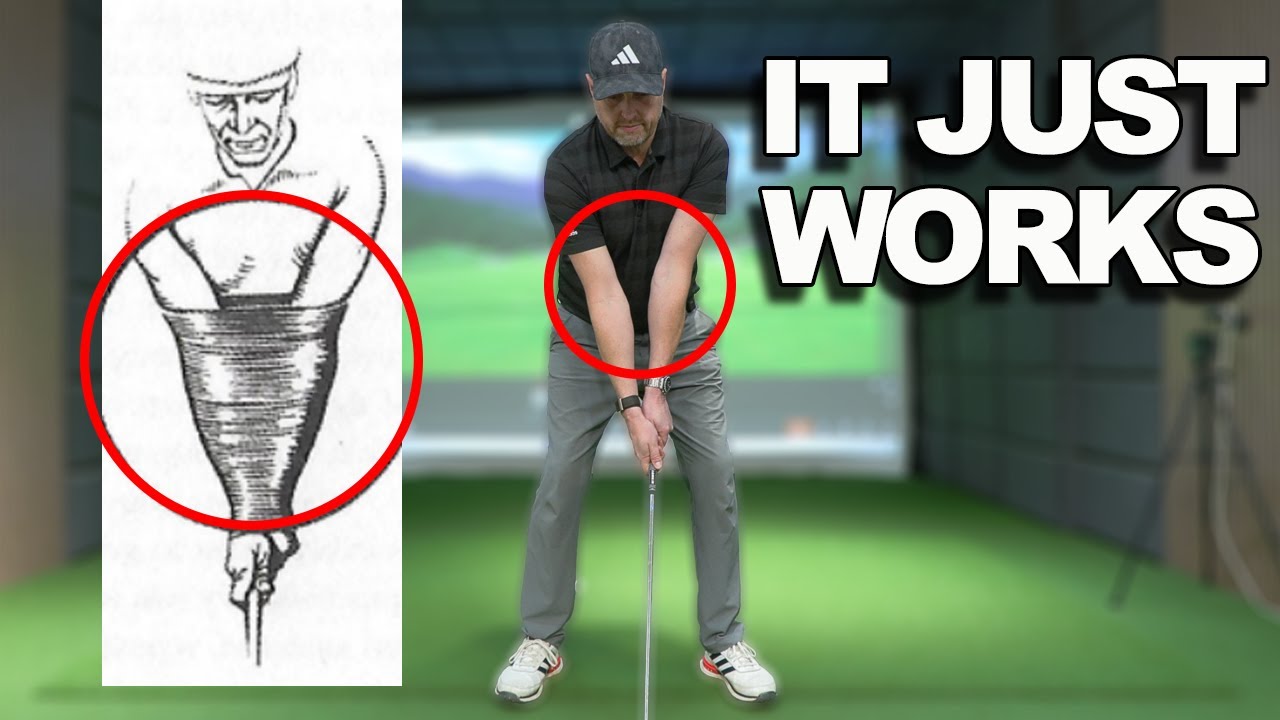
Most advice centres around making a big shoulder turn on the backswing, then rotating your body through impact. But if you’re simply turning your shoulders flat, you’re missing a critical piece of the puzzle. Here’s the problem: the golf ball sits on the ground, not up at chest height. When we stand tall and turn flat, our swing plane is completely off and we’ll miss the ball altogether.
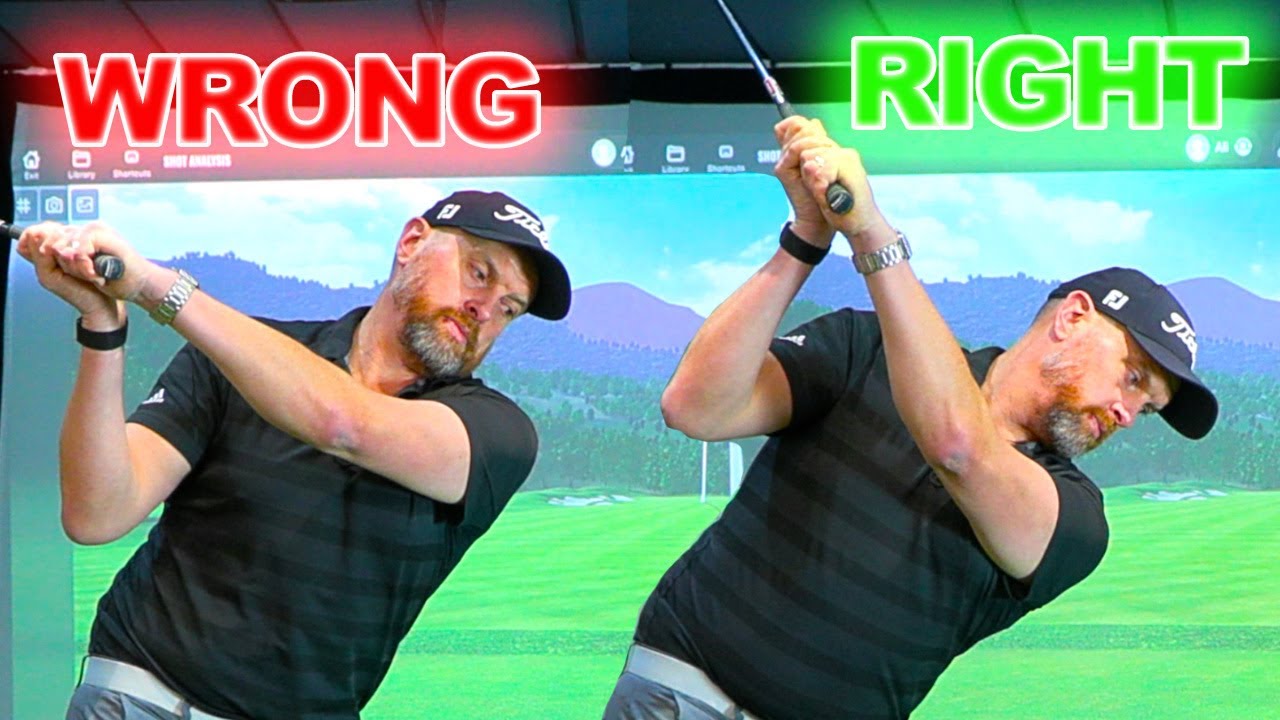
To reach the ball, we naturally tilt forward. However, most golfers still try to turn their shoulders on this new angle, which creates a plane that’s too flat and leads to all sorts of compensations—usually resulting in slices, pulls, or that dreaded over-the-top move.
The Simple Shoulder Tilt Drill
Let’s break the pattern. Instead of focusing on pure rotation, you need to feel your shoulders tilting during the swing. Here’s my favourite drill to get this movement right:
- Stand tall and hold your club out in front of you.
- Imagine reaching down to your left knee with your left shoulder in the backswing.
- On the downswing, shift your body towards the target and feel your right shoulder moving down towards your right knee.
This tilt—left shoulder down on the backswing, right shoulder down on the downswing—puts you on a much better path to strike the ball solidly and consistently.
What Happens When You Get It Right
With the correct tilt, you’ll notice the club works more up in the backswing, shallows nicely in transition, and approaches the ball from the inside. This is the path you want for powerful, accurate shots.
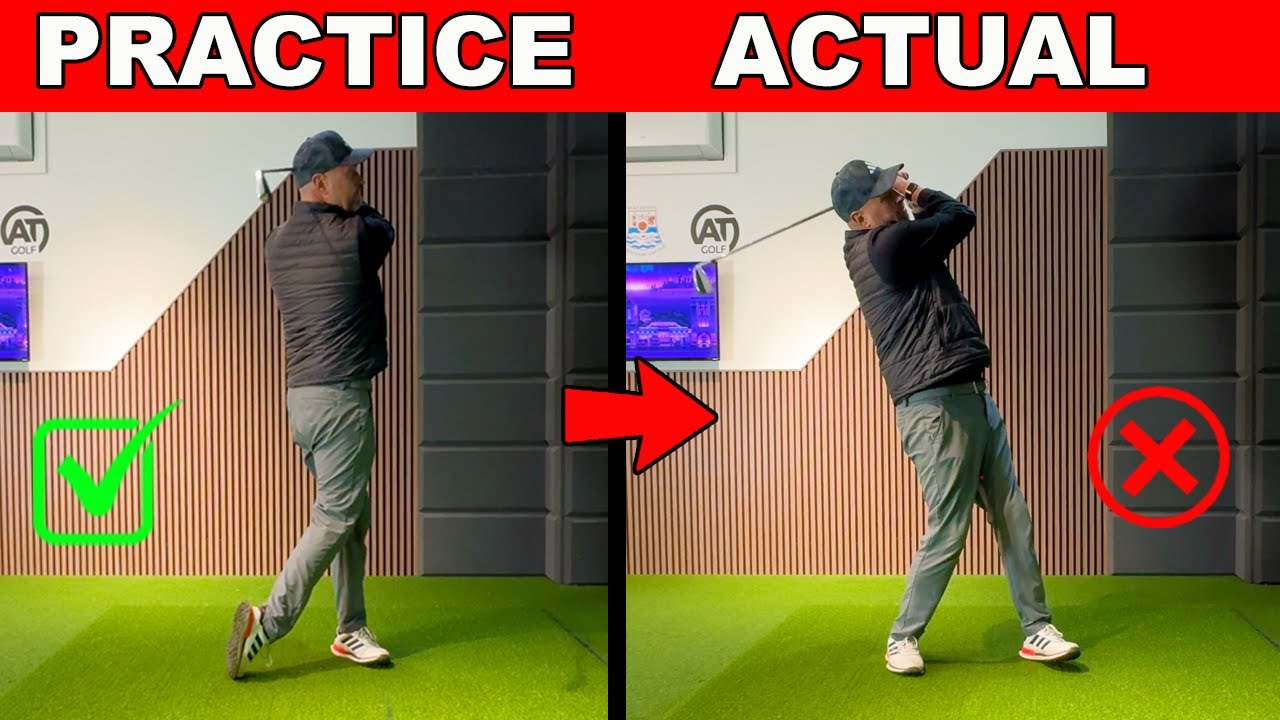
When most golfers struggle, it’s because they’re turning but not tilting enough. This leads to flat swings, over-the-top moves, and inconsistent strikes. By shifting your focus to tilting, your club will naturally approach the ball on a better path, helping you hit it further and with more control.
The Power of Practising Slowly
When you’re making a change in your swing, slow it down. Moving at a reduced speed increases your awareness and lets you feel the right movements. As you get comfortable, gradually bring the speed back up. The improved movement will stay with you and produce better results even as you swing faster.
Practise Without a Club
If you’re at home and don’t have a club handy, you can still groove this move. Stand tall, mimic the backswing by reaching your left shoulder towards your left knee, then shift and bring your right shoulder towards your right knee on the downswing. This simple exercise builds the correct sensation of side bend and tilt.
Stop Obsessing Over Rotation—Focus on Tilt
Most golfers already rotate enough. The real missing ingredient is side bend and tilt. Get your left shoulder down in the backswing, then your right shoulder down in the downswing, and you’ll find your hands are higher, your club is on a better plane, and your strikes are cleaner.
This is the change that can make an immediate difference, whether you’re working on your swing at the range or with online lessons through Skillest. I promise, with a little focused practice, you’ll start seeing the ball fly longer and straighter than ever before.
Ready to See the Difference?
If you want to take your understanding even further, watch the full YouTube video here. You’ll see exactly how these principles work in action and how they can transform your game.