Struggling with Iron Contact? You’re Not Alone
If you find your iron shots are either fat, thin, or just weak and drifting right despite your best efforts, you’re in good company. So many golfers set up well but still get frustrated by poor strikes and lack of distance. The good news is that a tiny tweak at address can make a world of difference to your ball striking—and it only takes two seconds.
The Real Reason You Struggle with Irons
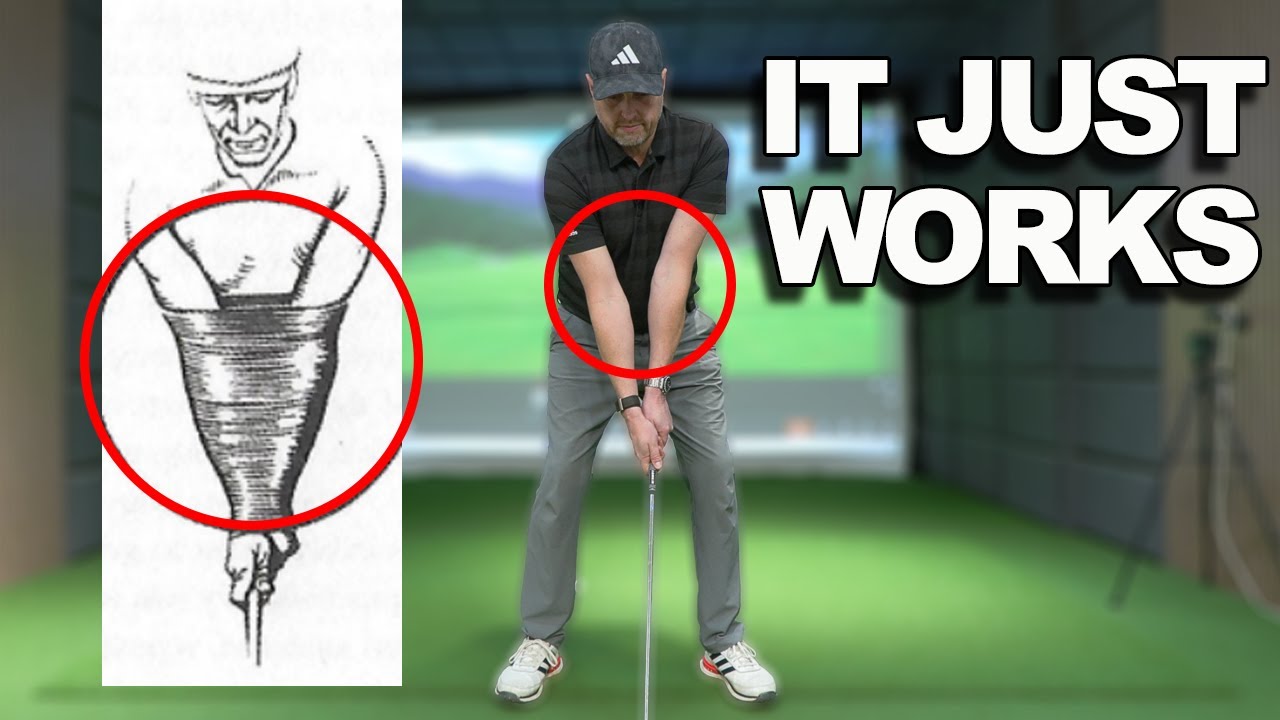
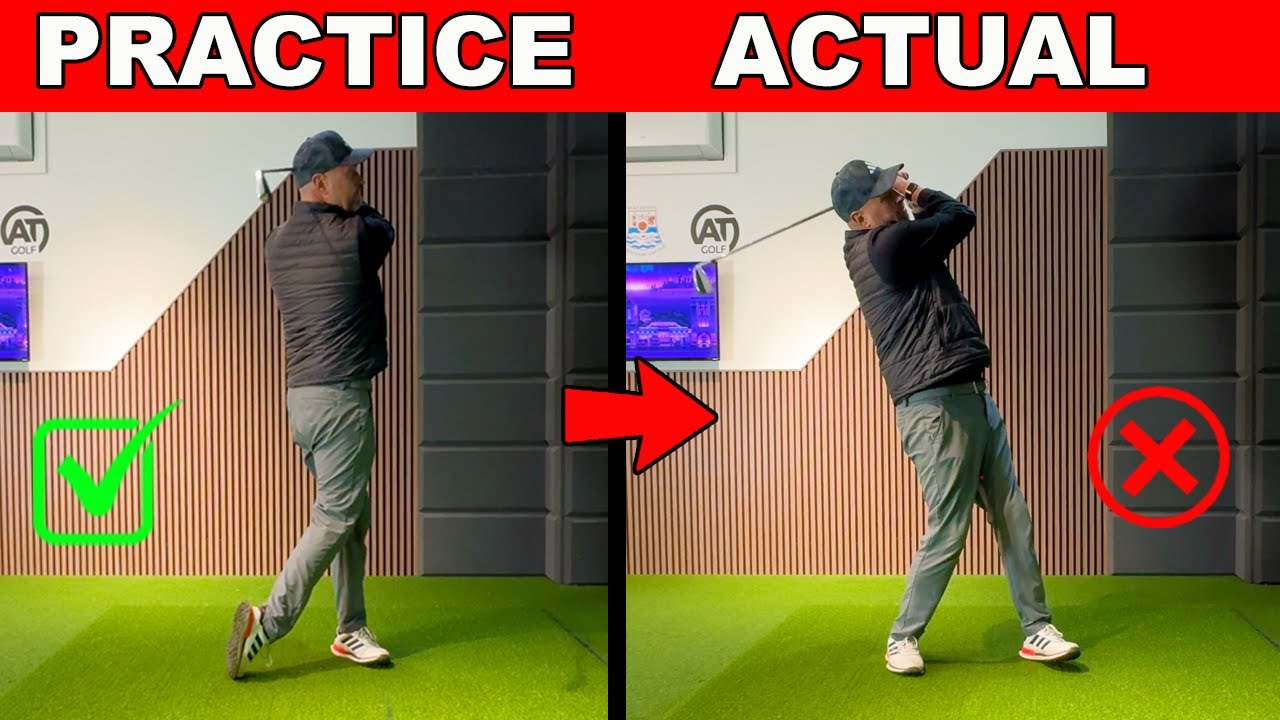
A lot of golfers set up to the ball with their hands directly in line with the clubhead and the ball. This looks textbook at address, but the problem arises during the swing. Most players instinctively try to return to this same position at impact. The best ball strikers on tour, however, are never in their address position at impact. Instead, their body is much more open, weight is shifted to the left side, and the hands are ahead of the ball, leading to a descending blow and crisp contact.
When you try to get back to your original address position, you’re more likely to hit the ground behind the ball, top it, or send it shooting weakly to the right. The key difference between you and top players is how you set the clubface and handle at address.
The Two-Second Setup Change
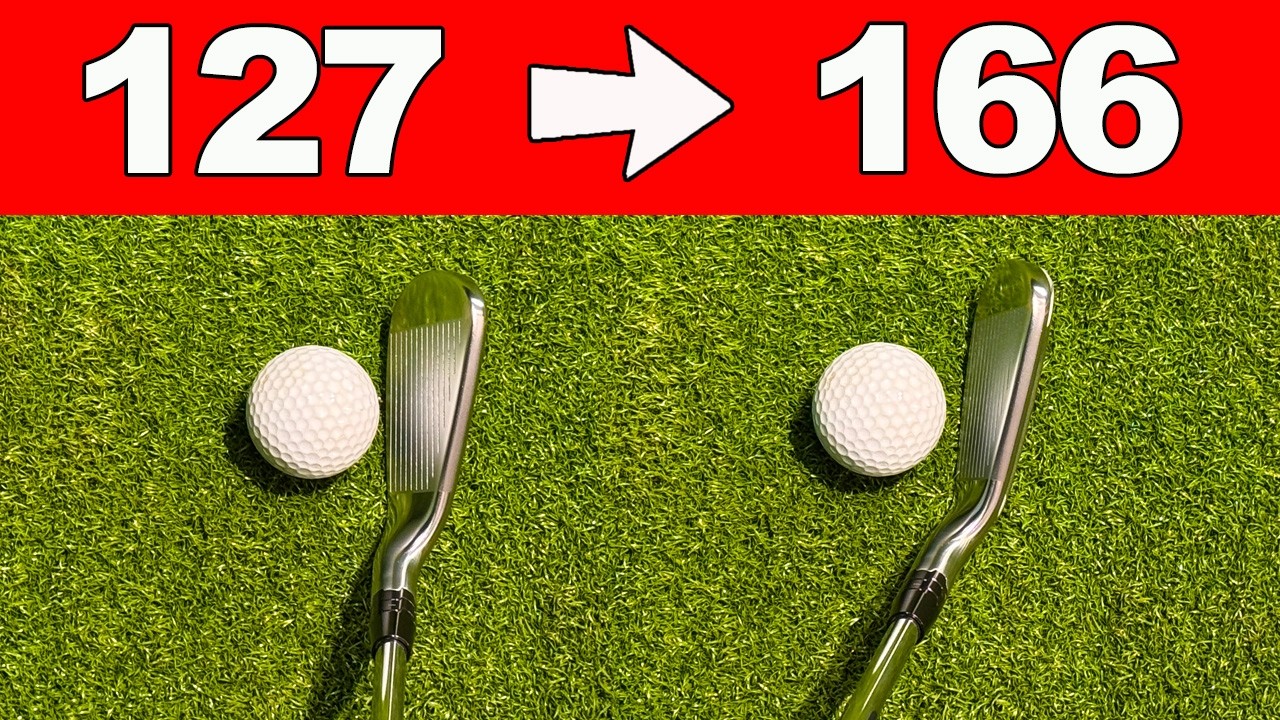
Here’s the game-changing tip: At address, instead of keeping the clubface perfectly square, close it slightly so it points a little more towards the ground. Then set your hands on the grip. If you were to bring your hands directly in line with the clubface now, it would be aiming left. But here’s the trick—get the butt end of the club pointing at your lead hip (left hip for right-handed golfers), giving you a little shaft lean.
This small adjustment helps you get into an impact-ready position from the very start. Now, when you shift your hips towards the target during the swing, the clubface squares itself up at impact, not before. This is how you create that solid, ball-first contact and send your irons further with less effort.
Practising the Movement
To make this new setup work for you:
- Close the clubface slightly at address, then grip it.
- Set the butt end of the club pointing at your lead hip.
- During your swing, focus on shifting your hips towards the target. Most tour players move their hips about 5 inches closer to the target at impact—some, like Scottie Scheffler, even more.
- Make a few practice swings without a ball, really exaggerating the hip movement. You’ll notice your low point (where the club brushes the turf) moves forward, ahead of the ball.
When you put a ball in play, keep the swing smooth to start. Even at a slower speed, you’ll likely see better contact, lower ball flight, and more carry distance—all because the energy is going into the ball, not the ground.
Why This Works
You might have heard that you need to "hit down" on the ball. But it’s not about forcing a downward strike. If you set up correctly and move your weight and hips forward, your swing’s natural arc will take care of the rest. The lowest point of your swing will be after the ball, ensuring you strike ball first and compress it properly.
You’ll also notice you can swing a little slower and still hit it further, thanks to presenting less loft and striking the ball more efficiently. As confidence builds, you can gradually add a bit more speed while keeping that address and impact relationship.
Avoid This Common Mistake
Don’t let your hands creep back in line with the ball at address. If you do, any shaft lean you create during the swing will leave the clubface open, sending shots weakly right. Instead, keep the clubface slightly closed and the shaft leaning towards the lead hip. Focus on shifting your weight forward, and you’ll see a big improvement in your ball striking.
Take Your Iron Play to the Next Level
If you’re ready to make a lasting change in your iron game, start with this two-second tip every time you set up. It’s a simple adjustment that pays big dividends in consistency, distance, and confidence. For more personal feedback, I offer online lessons on Skillest where we can work together on your swing from anywhere in the world.
Watch the Full YouTube Video
For a full walkthrough and more detail, watch the original YouTube video here.